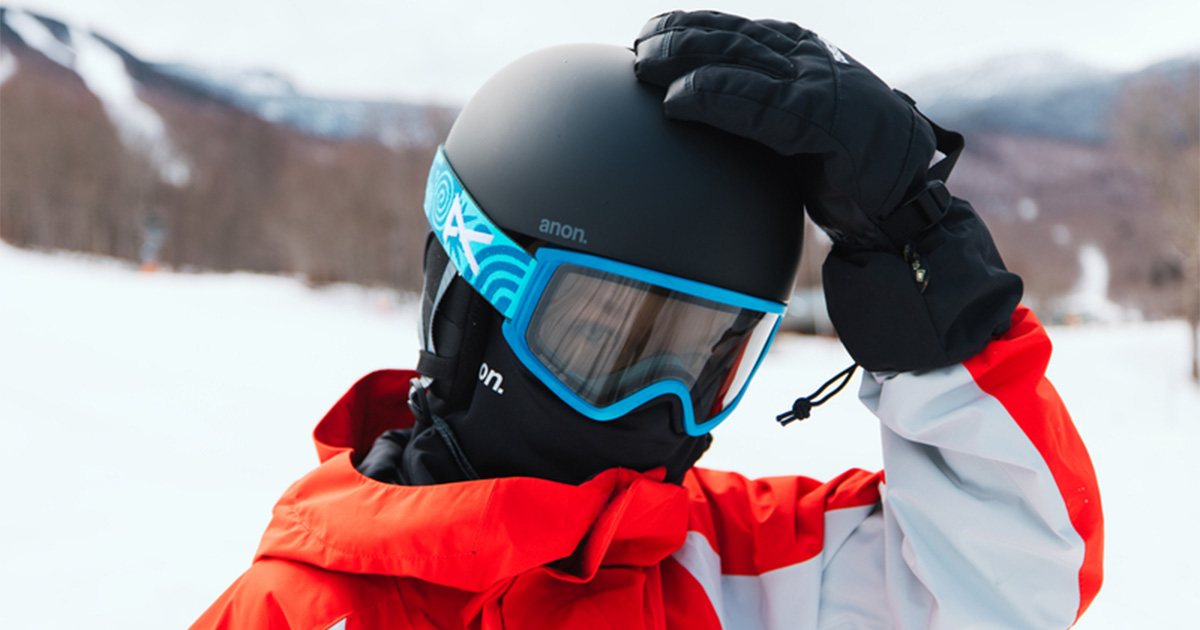
 How to Choose a Ski Helmet for Kids: Fit, Features & What to Look For
How to Choose a Ski Helmet for Kids: Fit, Features & What to Look For
Posted
by
Bianca Chang
on Monday, August 3, 2026
Buying a ski helmet for kids doesn't have to be complicated, but there are a few things worth getting right. Of all the gear decisions you'll make, this is the one that matters most: a well-fitted ski helmet is your kid's primary protection on the mountain. Fit is the single most important factor, and once you have that dialed in, a handful of key features can make a real difference in comfort, warmth, and long-term wearability. Here's a straightforward guide to help you choose with confidence.
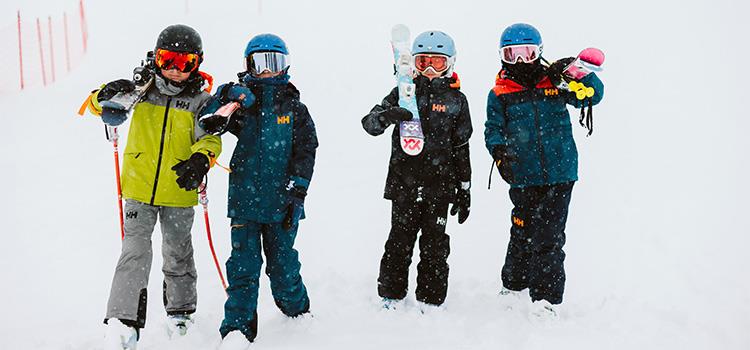
Getting the Right Helmet Size
Helmet sizing is the first and most important step.
Use a soft tape measure (or a piece of string) and wrap it around their head about an inch above their eyebrows and ears, right where the helmet will sit, and measure their head circumference in centimeters.
Here’s a general kids’ sizing guide to get you started:
Universal Kids Ski Helmet Size Chart
| Kid's Helmet Size |
Head Circumference |
| Extra Small |
48.5 - 52cm |
| Small |
52 - 55.5cm |
| Medium |
55.5 - 59com |
Always cross-check with the specific brand’s size chart, as sizing can vary slightly.
An important note: Resist the urge to size up so they can grow into it. Safety is most important and a proper fit is key.
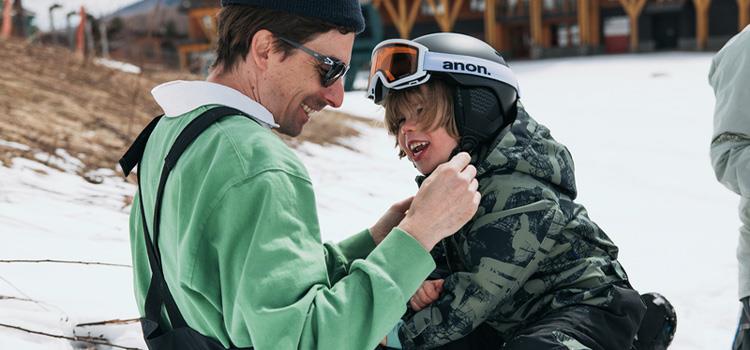
What a Proper Helmet Fit Looks Like
Getting the right size is step one. Making sure it fits is step two.
When a kid's ski helmet fit's properly, here's what it should look like:
- Ski helmets should fit in the middle of the forehead, roughly halfway between the hairline and eyebrows.
- If the helmet has a dial on the back, tighten it until it's snug.
- There should be no gaps at the temples.
- The chin strap should be adjusted so that one finger fits between the strap and their chin.
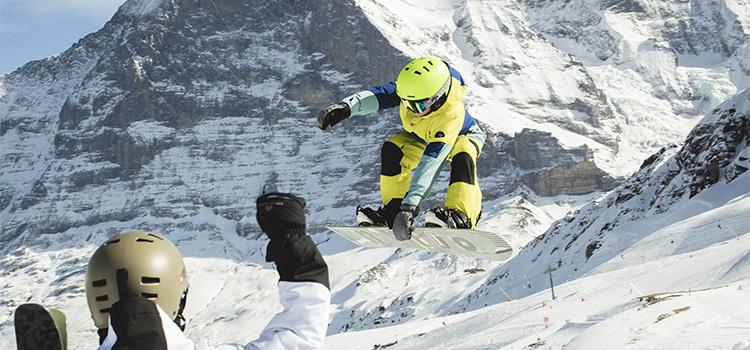
Ski Helmet Features Worth Knowing About
Once you’ve got the right size, a few features can make a difference in comfort and usability, especially for kids who are picky.
Adjustable Fit
This is key, especially for kids. Look for ski helmets with a dial in the back that can be adjusted so that the helmet can fit snugly on their head. It also allows for some adjustment throughout the season as your kid grows or to fit a thin balaclava under their helmet on cold days.
On that note, avoid wearing anything too bulky under the helmet. Knit hats and beanies can lift the helmet too high that it no longer fits properly. Instead, opt for a thin balaclava to wear under their helmet or a hood to wear over their helmet on days you’re looking for extra warmth.
Ventilation
Vents in the ski helmet help prevent overheating. Some ski helmets have adjustable vents, which is a nice feature, but not essential.
MIPS
MIPS stands for Multi-directional Impact Protection System. It’s a technology designed to reduce the rotational forces on the brain during a fall. Simply, it’s an added layer of protection beyond the standard helmet construction.
It’s not a requirement, but it is an added layer of protection many parents choose to prioritize.
Frequently Asked Questions:
When should I replace a ski helmet?
A good rule of thumb is to replace a ski helmet about every 5 years, as long as it still fits and there hasn’t been any big falls or damage.
You should replace a ski helmet when:
- It’s been in a crash or big fall - even if there’s no visible damage, it’s possible for the internal foam to be compromised.
- You see any cracks or damage
- It no longer fits properly.
Should kids wear hats under their ski helmets?
Generally no. Helmets are designed to fit directly on your head. Adding a hat adds too much bulk, which will raise the helmet too high, affecting its fit and effectiveness. Ski helmets have built-in liners for extra warmth. And on super cold days, use a thin balaclava or a hood that fits over their helmet for extra warmth.
Is it okay to use a bike helmet for skiing?
This is not suggested. Though they use similar technology like MIPS, bike helmets and ski helmets go through different testing and certifications, so a bike helmet may not provide the proper protection when skiing or snowboarding. They also lack warmth like ski helmets.
Can kids wear adult ski helmets?
Yes, as long as it fits correctly. That said, kids’ helmets are sized smaller (XS - M), tend to be lighter, and are more affordable, making them a practical choice given how quickly kids outgrow them.
How important is MIPS?
MIPS isn’t mandatory, but it’s a nice added layer of protection beyond standard helmet construction. For most parents, it’s worth the added cost.
Choosing the right kids' ski helmet comes down to two things: fit and knowing what features actually matter. Take the time to measure your child's head, verify the fit before you head to the mountain, and don't compromise on sizing for the sake of getting an extra season out of it. Everything else, like MIPS, adjustable vents, dial systems, is about finding the right combination for your child and your budget. Get those basics right, and you can feel confident they're protected every time they head down the hill.
Categories:
Skiing & Snowboarding
Tagged: Ski Accessories, Helmets, Safety Tips, How To Choose