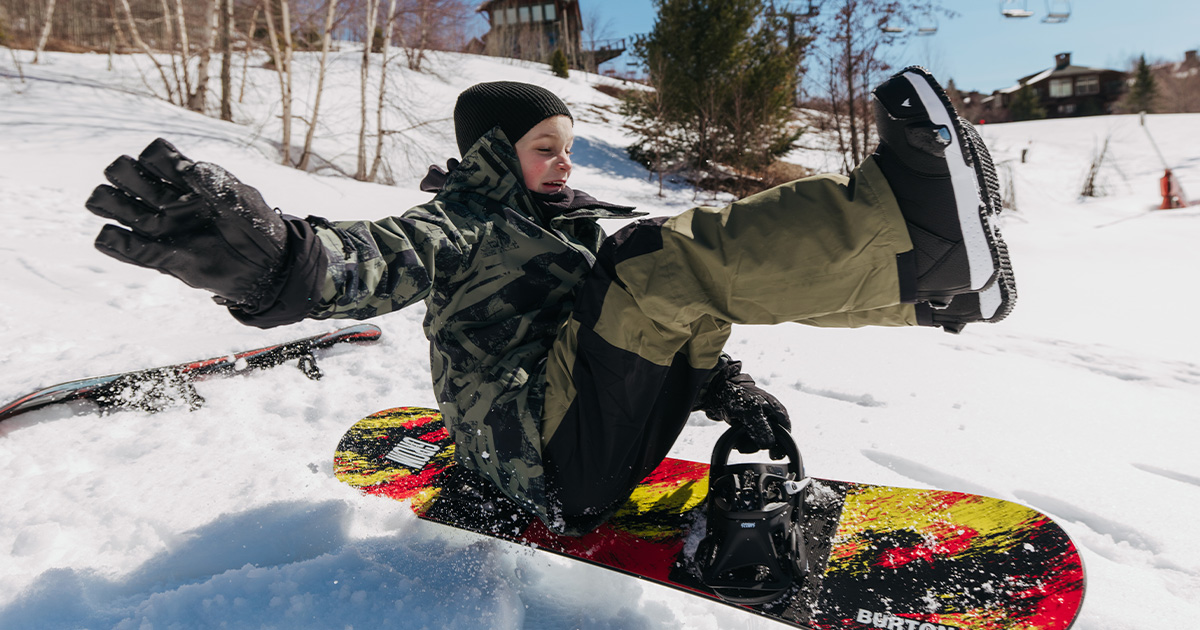
 Kids' Ski Jacket vs. Winter Coat: Do You Really Need Both?
Kids' Ski Jacket vs. Winter Coat: Do You Really Need Both?
Posted
by
Bianca Chang
on Monday, June 22, 2026
When you’re gearing up for winter, it’s a question a lot of parents ask: “Can my kid ski in their regular winter coat, or do they really need a ski jacket?” The honest answer? Both can be great, it just depends on what you need them for.
A good winter coat can absolutely handle cold playground days, sledding hills, and even the occasional ski day. But when skiing and snowboarding become more regular, or conditions get colder, wetter, and more demanding, a dedicated ski jacket starts to show its value.
In this guide, we’ll look at what they have in common, where ski jackets offer extra performance, and how to decide what makes sense for your kids.
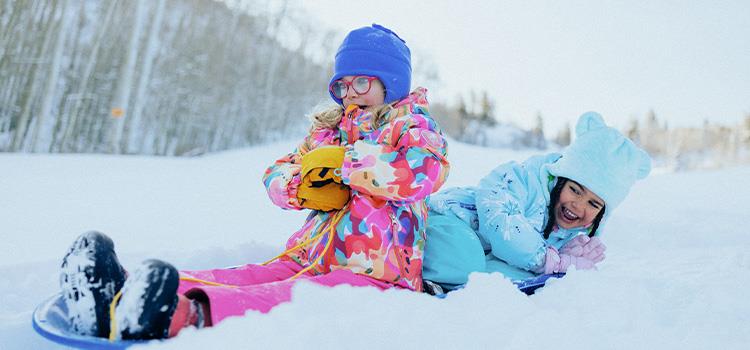
What Kids' Ski Jackets and Winter Coats Have in Common
While they’re designed for slightly different uses, ski jackets and winter coats share a lot of the same core qualities.
Warmth and Insulation
Both ski jackets and winter coats are designed to keep your kid warm, and both come in down and synthetic insulation options. Down insulation is incredibly lightweight and warm for its weight, while synthetic insulation performs better when wet and tends to be more budget-friendly. Insulation is the foundation of any good kids' winter jacket, whether you're bundling up for the school bus or the chairlift.
Hoods
Both types of outerwear typically come with hoods. They’re especially helpful in winter to block wind, retain heat, and keep snow off little heads and necks. Hoods are a non-negotiable for most parents shopping for kids' winter outerwear, regardless of whether it's for the slopes or everyday.
Waterproofing
Most winter coats offer some level of water resistance, which can be plenty for everyday winter play. Ski jackets build on that with more technical waterproofing designed for repeated exposure to snow, slush, and wet chairlift rides. That’s where waterproof ratings, seam sealing, and more weather-protective construction start to matter.
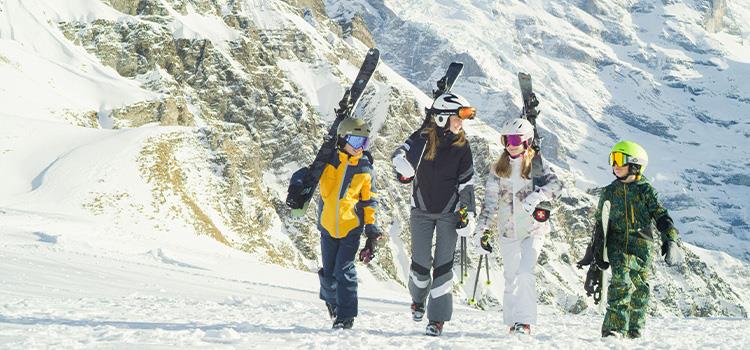
What Makes Kids' Ski and Snowboard Jackets Stand Out
A quality winter coat can handle a lot, and for some families, it may be all that’s needed. But if your child is spending regular time skiing or snowboarding, ski jackets are built with some thoughtful features designed specifically for life on the mountain. From weather protection to mobility and snow-specific details, these are some of the places where they start to stand out.
Technical Fabric and Construction for Skiing and Snowboarding
Ski and snowboard jackets are designed specifically for high-intensity activities in wet, cold, and demanding conditions. What sets them apart from other pieces in your wardrobe is the technical fabrics used to maximize waterproofing, breathability, durability, and warmth while skiing and snowboarding.
Superior Waterproofing
Like most winter coats, ski jackets have a DWR coating that helps water from being absorbed by the outer jacket layer, but what makes ski jackets stand out is the technical fabrics that are designed specifically for water repellency. Rather than a simple yes or no, ski jackets have a waterproof rating, the higher the millimeter measurements, the better it will be in wetter conditions. For most ski and snowboarding days, a snow jacket with a 10K waterproof rating will provide the right amount of protection from snow, rain, and slush. On extreme days, a higher rating of 15K or above will ensure your kids stay dry all day long.
For a full breakdown on waterproofing, check out our blog post, Kids’ Waterproof Snow Gear Explained.
Beyond the fabric itself, ski jackets also feature taped seams. Every stitch in a jacket is technically a potential entry point for water. Fully taped seams mean every seam is sealed, while critically taped seams mean the most vulnerable areas (like shoulders and hood) are sealed from moisture, which is not as common in kids' everyday winter coats.
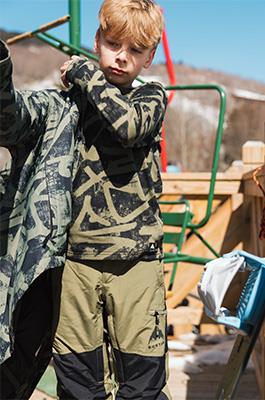
Breathability
One thing many parents don’t realize until a long ski day is how important breathability can be. Skiing and snowboarding can get intense. Your little ripper is working hard, generating body heat, and sweating. A jacket that traps that moisture inside leads to a cold, damp, miserable kid all before lunch time. Ski jackets are built with breathability ratings that allow heat and moisture vapor to escape, keeping your kid comfortable and dry from the inside out.
More Durable Construction
Skiing is tough on gear. Lots of falls, chairlift scrapes, and snowy playground chaos. Ski jackets are made with more technical, abrasion-resistant fabrics and often feature extra reinforcement in the high-wear areas like the cuffs, elbows, and shoulders. That added durability means the jacket holds up season after season, which can actually make the higher upfront cost worth it in the long run.
Articulated Fit with Stretch
A ski jacket is designed to move with your child, not against them. The cut is articulated, meaning it's shaped to account for how the body moves when skiing or riding, and the materials often have some stretch, making it easy to raise arms, twist, and bend without restriction.
Targeted Insulation
Here's a smart design feature you'll find in many quality ski jackets: targeted insulation placement. More insulation is concentrated in the core, where your body's heat is most important, while the sleeves and hood have just enough insulation to stay warm without restricting movement. It’s simple: a warm core = a warm kid.
Ski and Snowboard-Specific Features
Beyond the technical fabric differences, ski jackets come loaded with features that are specifically designed for life on the mountain. These may sound like small details, but on a cold powder day, they make a big difference.
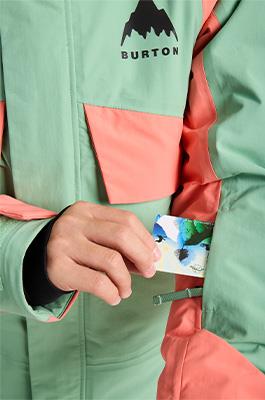
Pass Pocket
If your mountain uses RFID lift passes (and more and more resorts are moving in that direction), a dedicated pass pocket is a game-changer. Typically located on the sleeve or chest, it's designed so the pass can be scanned right through the fabric without your kid digging through layers to find it. One less thing to think about in the lift line.
Helmet-Compatible Hood
A ski jacket hood is designed to fit over a helmet. On bitter cold, windy days, being able to pull up a hood over a helmet to block out the wind and driving snow is incredibly valuable. Standard winter coat hoods are often too small or too puffy to fit over a helmet properly.
Adjustable Cuffs
Snow finding its way up sleeves and under gloves is one of the most common complaints from kids on the mountain. Adjustable cuffs, typically a velcro tab that cinches the wrist opening, create a seal that keeps cold air and snow out, keeping little hands warmer. Some winter coats have this feature, but it's standard and more functional on ski and snowboard jackets.
Powder Skirt
This is one of the features that most clearly separates a ski jacket from everything else. A powder skirt (also called a snow skirt) is an elastic inner band inside the lower hem of the jacket. When your kid takes a tumble or plows through deep snow, the powder skirt creates a seal against the body, preventing snow from packing up under the jacket. Anyone who's had a kid come in from the slopes with snow crammed up their back knows exactly why this matters.
Water-Resistant Zippers
Regular zippers are essentially open channels for water to sneak in. Ski jackets use water-resistant or waterproof zippers, either with a special coating or covered by a storm flap, to keep moisture out of pockets.
Vents
Many ski jackets have underarm or chest vents (sometimes called pit zips) that can be opened to quickly dump heat if your kid starts to get overheated. This is pretty unique to ski and snowboard jackets and is worth looking for if your child tends to overheat quickly. This works in tandem with the jacket's breathability to keep body temperature regulated throughout the day, which helps kids stay comfortable and out on the snow longer.
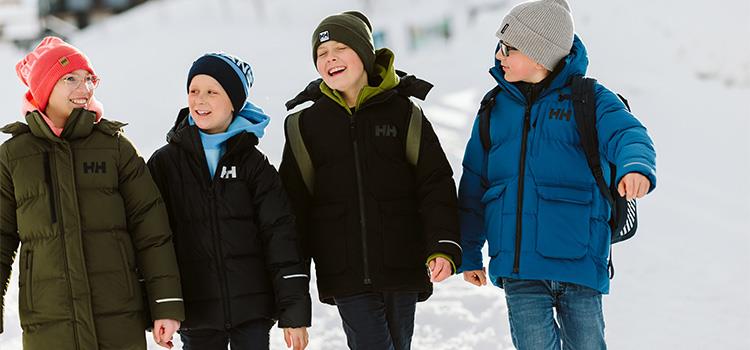
Where Winter Coats Shine
Winter coats do a lot really well, and for many families, they may be the right choice for most winter days.
Warmth-Focused Design
Winter coats are optimized for warmth in low-intensity activities. They typically carry more overall insulation than a ski jacket because they're designed for standing at a bus stop, walking to school, or sitting on cold bleachers at an outdoor game. For everyday use where your child isn't generating much body heat through activity, a heavily insulated winter coat is a strong choice.
Casual Fit for Everyday Versatility
Winter coats are designed to look and feel great for everyday wear. They're cut for style and comfort. They’re easy to layer over a sweater, move freely through a school day, and look appropriate whether you're at the grocery store or a holiday party. This versatility is something most ski jackets (with their technical cuts and sporty aesthetic) can't fully match.
You can find winter coats in a ton of different lengths. Parkas are a winter staple thanks to their extra length, providing extra warmth. They’re perfect for super-bitter cold days, but can restrict movement while skiing or snowboarding.
Wide Price Range
One of the biggest advantages of the winter coat category is the sheer range of options at every price point. From affordable puffers to premium insulated parkas, there's something for every family's budget. And since kids outgrow jackets so quickly (sometimes in less than a season!), it can be hard to justify a high price tag on something that fits for 18 months. A solid, warm, water-resistant winter coat at a reasonable price is often the most practical choice for everyday wear.
So, Which Should You Buy?
At the end of the day, the best outerwear is the one that helps your kid stay warm enough to keep playing, exploring, and loving winter. Whether that’s a trusty winter coat to get them to and from school, a dedicated ski jacket for weekend ski trips, or one jacket that does both, choosing the right fit for your kids will ensure they stay warm, comfortable, and happy all winter long. Here’s to more snow days!
Related Articles:
Kids' Waterproof Snow Gear Explained
How to Layer for Cold Weather and a Day in the Snow
One-Piece vs. Two-Piece Snowsuits: Which is Best for Your Kid?
Snow Pants vs. Snow Bibs: Which is Better for Kids?
Categories:
Skiing & Snowboarding
Tagged: Skiing, Snowboarding, Dress for Winter, How To Choose, Clothing