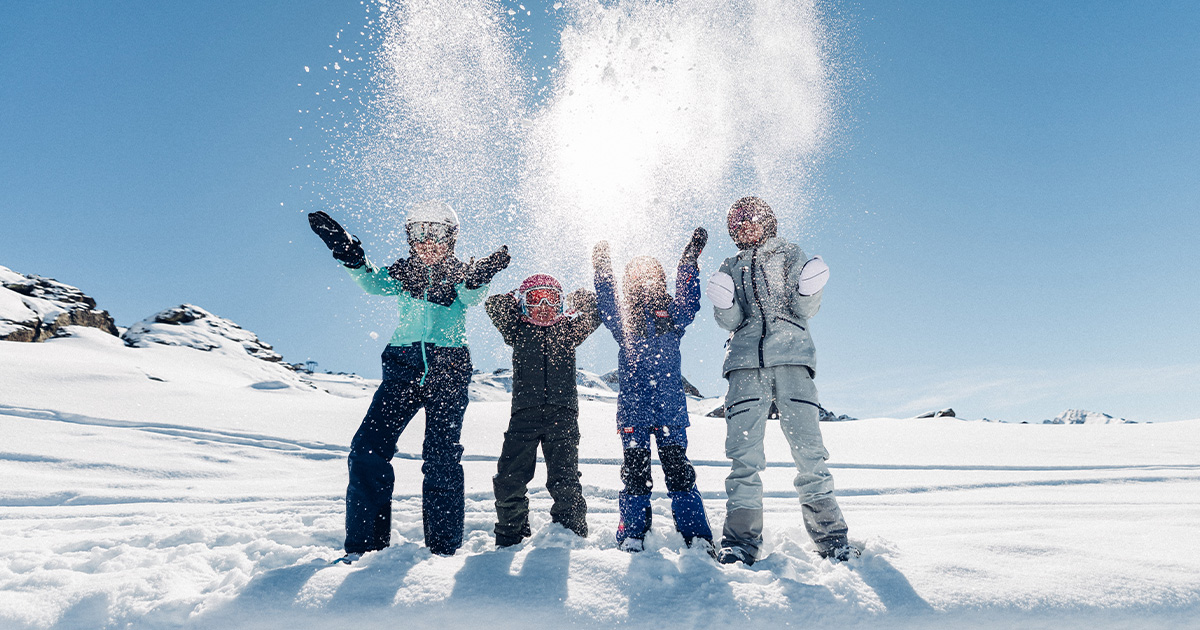
 Kids' Waterproof Snow Gear Explained
Kids' Waterproof Snow Gear Explained
Posted
by
Bianca Chang
on Monday, April 13, 2026
Nothing ruins a fun snow day faster than being wet and cold. Whether your kids are spending the day at the mountain or just a few hours playing in the backyard, having reliable waterproof snow gear makes all the difference.
How Do I Know If I'm Getting Gear with Good Waterproofing?
Understanding Waterproof Ratings
Waterproof gear comes with ratings that measure its performance under various conditions, such as rain, sleet, and snow. These ratings are determined by a hydrostatic head test, which measures how many millimeters of water the fabric can withstand over 24 hours before water leaks through.
You’ll often see waterproof ratings listed as numbers like 10,000mm or 10K. In kids’ snow gear, waterproof ratings typically range from 5K to 15K or higher. The higher the rating, the more severe weather the jacket or pants can withstand in terms of rain and snow. 15K waterproofing or higher offers the best protection from heavy rain or wet snow, but it comes at a higher cost. So the question is, how do I know what waterproofing rating is best for my kids' ski clothes without breaking the bank? We've broken down the most common waterproof ratings you'll see on kids' ski gear and what they're best for, so you can determine what is right for your kiddo.
Choosing the Right Waterproof Rating
At a minimum, we recommend gear with a 5,000mm (5K) rating for light snow activities. This provides light protection for short outings.
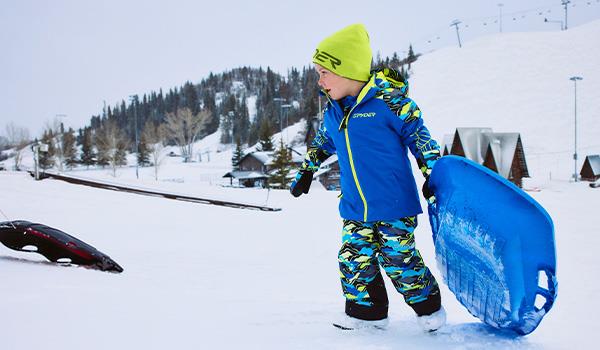
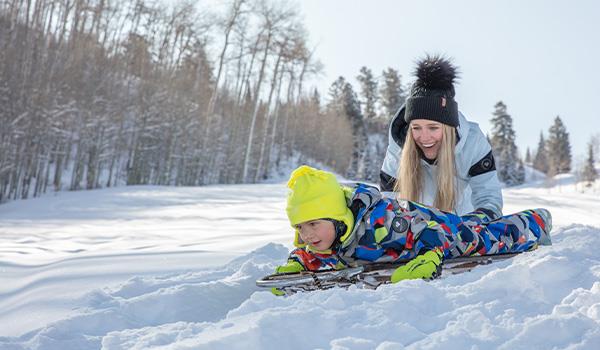
If your kids will be out in the snow for longer than a couple of hours, like skiing, snowboarding, tubing, or playing in wetter conditions, gear rated 10K or higher is a better choice to keep them warm and dry.
Less than 10k: Minimal Protection
Kids' snow gear with less than a 10K waterproof rating may be a good fit if you need something for a quick snow adventure, in dryer conditions, or shopping on a budget.
| Good for: |
Not ideal for: |
- Light snow play
- Short outings in dry, powdery snow
- Light rain
|
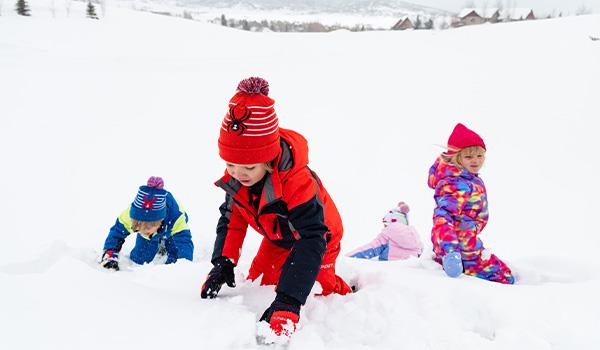
- Sitting, kneeling, or playing in the snow for extended periods
- Wet, slushy, or heavy snow conditions
- Longer outdoor adventures
|
10K Waterproofing: Good Protection for Most Conditions
Most kids’ snow gear falls into the 10K range, offering solid protection for typical winter activities.
| Good for: |
Not ideal for: |
- Skiing, snowboarding, and tubing
- Backyard snow play
- Average snow and rain conditions
|
- Heavy Rain
- Very wet or slushy snow
|
15k and Above: Maximum Protection
Gear rated over 10K offers top-of-the-line waterproofing, providing excellent protection even in harsh, wet conditions. For most backyard snow play or average ski days, though, 15K+ might be more protection (and cost) than you really need.
| Good for: |
Not ideal for: |
- Kids who spend the whole day outdoors
- Playing or skiing in very wet, slushy snow
- Parents who want maximum protection in snow and wet conditions
|
- Shoppers looking for more budget-friendly options
|
Waterproof Rating Snapshot:
| Waterproof Rating |
Good for: |
Not ideal for: |
| <10K |
Light snow play, short outings, dry powder |
Extended time in wet or slushy conditions |
| 10K |
Skiing, snowboarding, tubing, backyard play |
Heavy rain, very wet snow |
| 15K+ |
Full day of snow play, skiing and snowboarding in wet snow or heavy rain |
Budget-conscious shoppers |
What is DWR?
As you shop for winter gear, you’ll likely come across the term DWR or notice that jackets and pants mention a DWR coating.
DWR stands for Durable Water Repellent, a treatment applied to the outer fabric of waterproof clothing to help water bead up and roll off, rather than soaking in.
Gear with only a DWR coating offers minimal protection and is typically labeled water-resistant, not waterproof. True waterproof snow gear tends to include both a waterproof membrane and a DWR coating. These combinations keep kids dry even during extended snow play.
Because DWR is just a surface treatment, it can wear away over time, especially in high-contact areas like sleeves, knees, the seat, and elbows. The good news: You can easily reapply DWR at home to keep your kids’ gear performing like new!
My Kid’s Gear Used to Keep Them Dry, Why Are They Getting Wet Now?
If your kid’s waterproof gear isn’t keeping them as dry as it used to, it doesn’t necessarily mean you need to rush out and buy new gear.
Chances are, the DWR coating just needs a little refresh. A simple cleaning and reapplication of waterproof treatment can revive the gear and restore its performance.
- Clean gear with a specialized tech wash designed for waterproof fabrics using your at-home washing machine.
- Reapply Waterproofing.
- Dry according to product instructions (some DWR treatments activate with heat, like in the dryer)
👉 See our guide: How To Wash and Re-Waterproof Kids’ Snow Gear
Tips for Keeping Kids’ Snow Gear in Top Shape:
- Spot clean regularly throughout the season and give gear a full wash when it’s visibly dirty or at the end of the season.
- Always use a tech wash specifically made for waterproof gear. Regular laundry detergents can strip the DWR coating and clog the fabric, reducing waterproofing and breathability.
- Do not use fabric softeners, dryer sheets, or the dry cleaners, these chemicals are too harsh for technical outdoor gear.
Following these steps, you can help keep your kids’ jackets and pants in rotation and help them perform their best all season long, ready for every snowball fight, ski run, and sledding adventure!
Related Articles:
Washing Kids' Snow Gear
Categories:
Skiing & Snowboarding
Tagged: Dress for Winter, How To Choose, Waterproof, Clothing