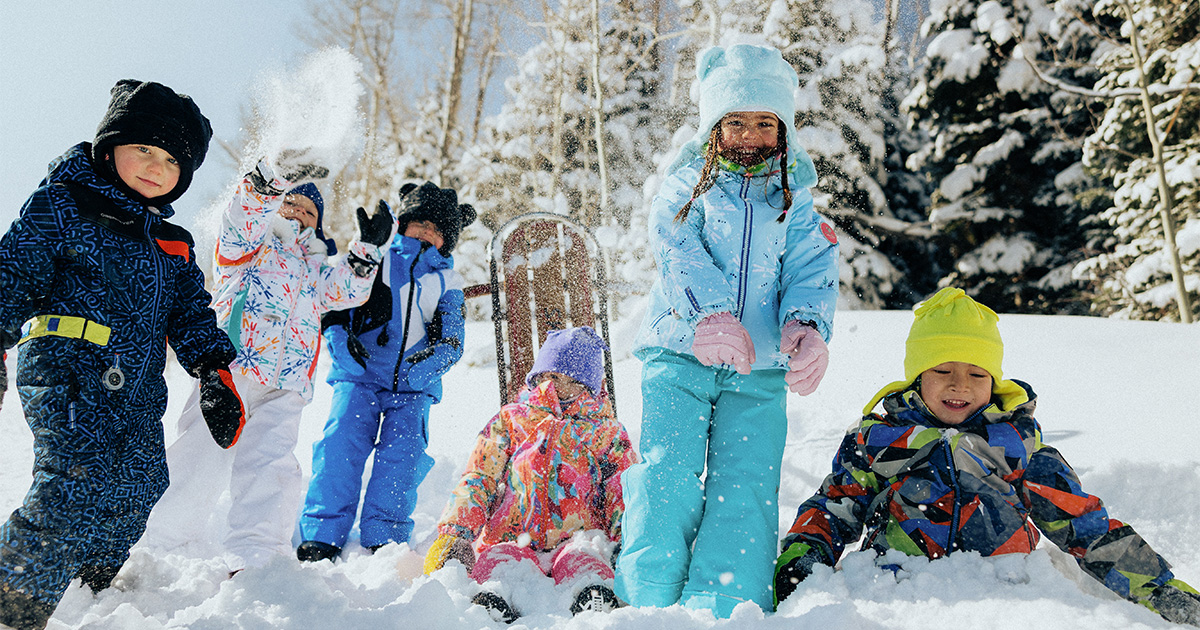
 How to Choose A Winter Coat for Kids
How to Choose A Winter Coat for Kids
Posted
by
WinterKids
on Tuesday, August 11, 2026
Winter coats are a big investment, especially for kids who put them through a lot and grow out of them fast. Between snow days, sledding, school recess, and everyday adventures, your kid’s winter jacket needs to keep up.
When choosing the best winter coat for your kids, you’ll want to consider their age, where you live, and how they spend most of their winter days. A jacket for walking to school may need different features than one for all-day snow play, skiing, or sledding. If you live somewhere where it could be sunny and 50 degrees one day and wet and below freezing the next, you’ll want a jacket that is versatile and can adapt to whatever the season throws.
Choosing a winter coat for your child can feel overwhelming, but we’ll break down what to look for in a kids’ winter coat so you can find the right balance of warmth, protection, comfort, and durability for your kids’ winter adventures without the headache.
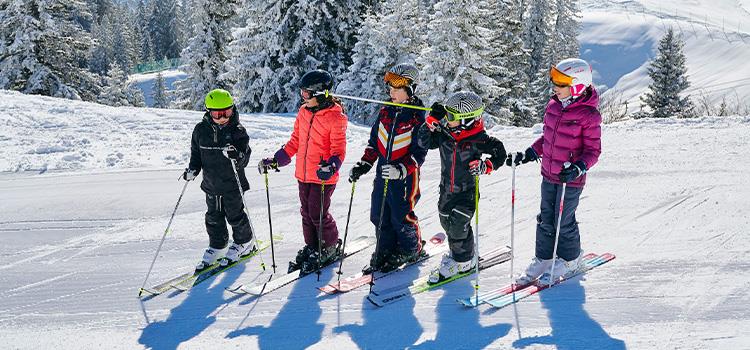
Types of Kids’ Winter Coats
Before getting into the technical aspects, it helps to know what different types of winter coats are out there and what activities they’re best for. The “best” winter coat really depends on how your child will use it.
Insulated Jackets
Insulated jackets are a great everyday option for cold weather. They work well for school, running errands, winter walks, and layering on especially cold days.
Down Insulation
Down insulation uses feathers to trap heat and create warmth. The loft of down helps trap warm air, making it one of the warmest and lightest insulation options available.
The biggest advantage of down is that it provides a lot of warmth without adding much bulk. The downside? Down loses some of its insulating ability when it gets wet and is typically a more expensive option.
Synthetic Insulation
Synthetic insulation is designed to mimic the warmth-trapping ability of down but is made with man-made fibers. It is a popular choice for kids because it’s durable, easier to care for, and often more affordable.
Synthetic insulation performs better than down when wet, which makes it a great choice for kids who spend a lot of time playing outside. The tradeoff is that it tends to be slightly bulkier and not quite as warm for its weight compared to down.
The beauty of insulated jackets is that they work well as standalone jackets in cold weather or as a warm layer underneath a waterproof shell.
Snow Jackets
If your child spends hours outside playing in the snow, skiing, snowboarding, or sledding, a snow jacket is designed for those conditions.
Snow jackets typically include insulation, but they also add features that help keep moisture and snow out while allowing kids to move comfortably.
Look for features like:
- Snow skirt: Helps prevent snow and cold air from getting inside the jacket.
- Helmet-compatible hood: Designed to fit over a helmet for extra warmth and wind protection.
- Longer length: Provides extra coverage for sitting, bending, and playing in the snow.
- Technical fabrics: Offer better durability, waterproofing, and breathability.
- Articulated fit: Allows kids to move without feeling restricted.
- Vents: Underarm vents help release heat during active days.
For families who spend weekends on the mountain or have kids who never want to come inside after a snowstorm, a snow jacket is usually worth the investment.
3-in-1 Jackets
If you’re looking for versatility, a 3-in-1 jacket can be a great option. These jackets include a waterproof outer shell and a removable insulated layer that zips together that can be worn together or separately.
They’re especially useful if you live where the weather is constantly changing throughout the season. It’s easy to wear the shell as a rain jacket, wear the inner layer on its own during milder weather, and combine both layers for cold winter days.
Everyday Jackets and Parkas
For kids who mostly need a jacket for school, errands, and everyday winter activities, a less technical winter coat may be the better choice.
Parkas are a popular everyday option because their long length adds extra warmth and coverage. They’re great for walking to school, waiting for the bus, winter walks, and spending extended periods of time outside in cold temps. They’re just a bit more restrictive, so they’re not ideal for playing in the snow, skiing, or sledding.
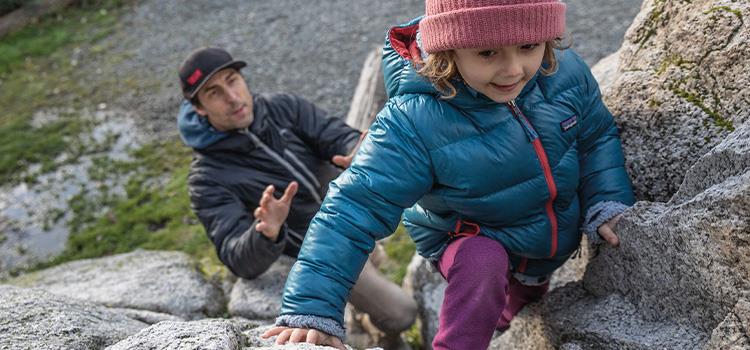
What Makes A Good Winter Coat for Kids
Insulation
Like we mentioned above, you can find kids' winter jackets that use down insulation, synthetic insulation, or a mix of both.
Synthetic insulation is the most common option since it is more durable, more affordable, and easier to care for, while down insulation is the warmest and super lightweight.
When it comes to warmth and insulation, also consider how a jacket is constructed. Jackets with baffles do a much better job of keeping kids warm. The stitched channels help keep the insulation evenly distributed to trap heat more effectively and provide consistent warmth throughout the jacket.
Waterproofing
When it comes to waterproof gear, it’s more of a range than a simple yes or no.
You can find kids' winter jackets with DWR (Durable Water Repellent) coating, a water repellency that helps moisture bead off. It's an affordable option and performs well in dryer snow conditions, light rain, and everyday wear. However, DWR alone doesn't provide the same protection as a fully waterproof jacket. Over time, it can also wear down in high-use areas like cuffs and elbows. The good news is that DWR can be reapplied at home to refresh the jacket’s water resistance.
For long days outside, skiing, snowboarding, or wet climates, look for stronger waterproof protection. A jacket with around a 15K waterproof rating or waterproof fabrics like The North Face’s DryVent, Patagonia’s H2No, Helly Hansen’s Helly Tech, or Gore-Tex can provide better protection.
The Right Fit
Not only is it important to choose the right winter coat for your child, but it’s also important to get the fit right. Too small a jacket will feel restrictive, offer less protection from the cold, and leave less room for layering. Too big allows for cold air to get in and feels bulky.
A properly fitting winter jacket should:
- Fit comfortably through the shoulders and back
- Cover wrists when arms are stretched out
- Leave room for layering
- Sit around hip length (depending on the jacket style)
One easy way to check the fit? Try the hug test.
Have your child put on the coat and hug themselves. The sleeves shouldn’t ride up enough to expose wrists, and the jacket shouldn’t pull tightly across their back or under their arms.
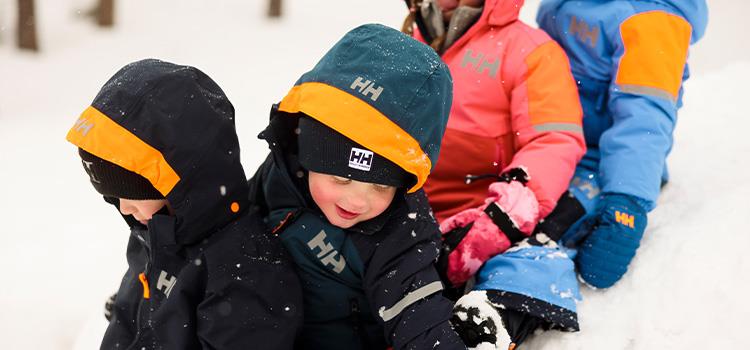
Features Worth Looking For
Small details can make a big difference when your child is wearing a coat every day.
Adjustable or Removable Hood: An adjustable hood blocks out cold and wind while keeping it out of the way. A removable hoods can reduce bulk on everyday jackets.
Snow Skirt: A must-have for snow play, skiing, and sledding. It helps keep snow and cold air from sneaking up the jacket.
Wrist Gaiters: These provide extra warmth and help prevent snow from getting into the sleeves.
Chin Guard: A soft fabric flap at the top of the zipper helps prevent rubbing against your child’s chin.
Reflective Details or Bright Colors: Bright colors and reflective accents make kids easier to spot in busy places and snowy conditions.
Pockets: Kids always seem to collect things. Snacks, rocks, gloves, or little treasures. Pockets are useful for everyday adventures.
Extendable Sleeves: Many kids’ jackets now include extendable sleeves, allowing you to add extra length as your child grows.
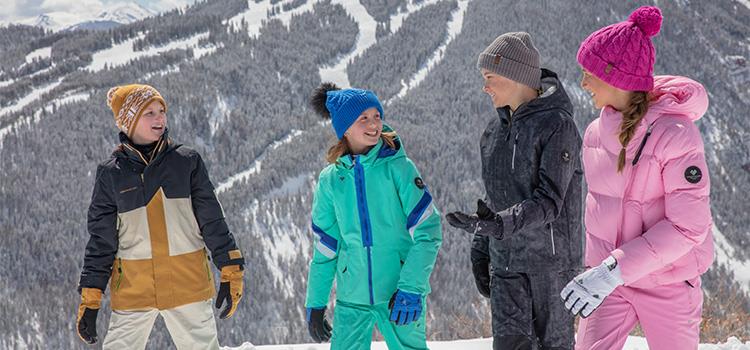
The best winter coat for your child is the one that matches how they spend their winter days. A jacket for school and everyday wear may look different than one built for skiing, snowboarding, or hours of playing outside, and that’s okay.
When shopping, focus on the features that matter most: warmth, waterproofing, comfort, and the right fit. A well-chosen winter coat keeps kids comfortable, protected, and ready for everything winter brings, whether that’s a snowy recess, a weekend adventure, or a backyard snow day. Because the best winter memories usually start with kids who are warm enough to stay outside a little longer.
Categories:
Skiing & Snowboarding
Tagged: Boys Jackets, Girls Jackets, Dress for Winter, How To Choose